Network Virtualization
NFV & MEC
Introduction
Network virtualization and Multi-access Edge Computing (MEC) are key elements of modern network infrastructure, enabling more flexible, efficient, and intelligent network construction.
- **Network Virtualization**: Abstracting physical network resources into software
- **MEC**: Providing computing capabilities at the network edge to reduce latency and improve performance1. Core Concepts
- Network Virtualization
- NFV (Network Function Virtualization)
- SDN (Software-Defined Networking)
- VNF (Virtual Network Functions)
- Multi-access Edge Computing
- Edge Data Centers
- Low-latency Applications
- Related Technologies
- 5G and Beyond 5G Networks
- Network Slicing
- Cloud-Native Networking
2. Technological Necessity
- Enhanced Flexibility
- Dynamic Resource Allocation
- Reduced Service Deployment Time
- Cost Efficiency
- Reduction in CAPEX and OPEX
- Decreased Hardware Dependency
- Performance Optimization
- Latency Reduction
- Efficient Bandwidth Utilization
- Accelerated Innovation
- Rapid Launch of New Services
- Customized Network Services
3. Application Areas
- Smart Cities: Real-time Traffic Management, Energy Grid Optimization
- Industrial Automation: Smart Factories, Predictive Maintenance
- Augmented/Virtual Reality: Immersive Gaming, Remote Collaboration
- Autonomous Driving: Vehicle-to-Vehicle Communication, Real-time Route Optimization
- Healthcare: Telemedicine, Real-time Patient Monitoring
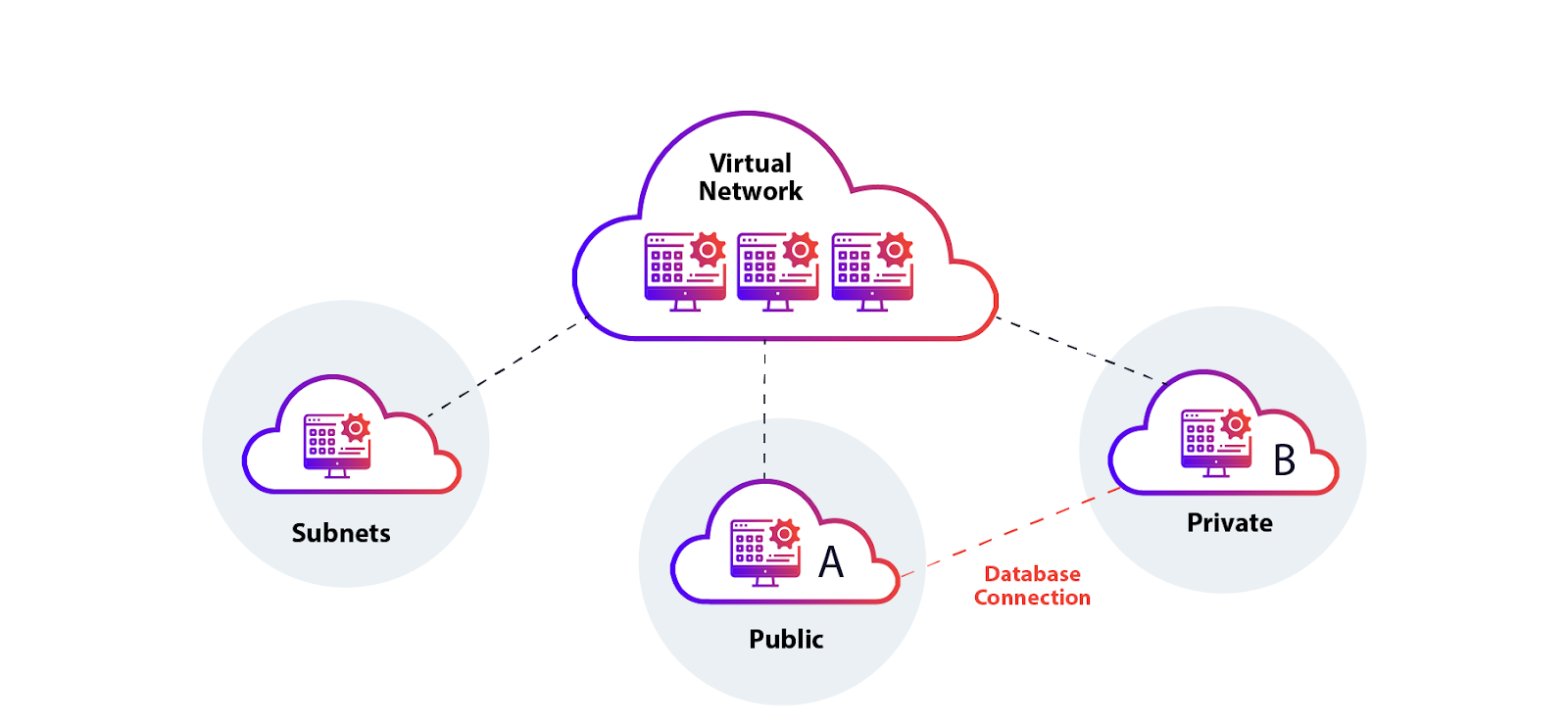
4. Technical Architecture
5. Key Technology Trends
- AI/ML Integration: Network Automation and Optimization
- Edge AI: Distributed Learning and Inference
- Quantum Networking: Ultra-high Speed, Ultra-secure Communication
- Green Networking: Energy-efficient Network Design
6. Challenges
- Security and Privacy: Data Protection in Distributed Environments
- Standardization: Interoperability Among Various Vendors and Technologies
- Complexity Management: Efficient Operation and Management of Distributed Systems
- Skill Gap: Training Specialized Personnel for New Technologies
7. Learning Resources
- Technical Documents
- ETSI MEC White Paper
- ONF (Open Networking Foundation) SDN Architecture
- Conferences and Workshops
- MEC World Congress
- Open Networking Summit
- Open Source Projects
- ONAP (Open Network Automation Platform)
- Open Edge Computing Initiative
8. Future Outlook
- Integration with 6G Networks
- Development as a Key Technology for Space Internet Construction
- Fusion with Quantum Computing for Ultra-fast, Ultra-secure Networks
"Network virtualization and MEC are more than just technologies. They represent a revolutionary paradigm that can fundamentally change how we interact with the world. A deep understanding of these fields will be crucial for future network innovation."