Cloud Computing
Introduction
Cloud computing is a technology that provides computing resources over the internet, offering flexible and scalable IT infrastructure to businesses and individuals.
- Cloud Computing: Providing computing resources as a service through networks
- Distributed Computing: Technology that distributes tasks across multiple computers for processing
1. Core Concepts
- Service Models
- IaaS (Infrastructure as a Service)
- PaaS (Platform as a Service)
- SaaS (Software as a Service)
- Deployment Models
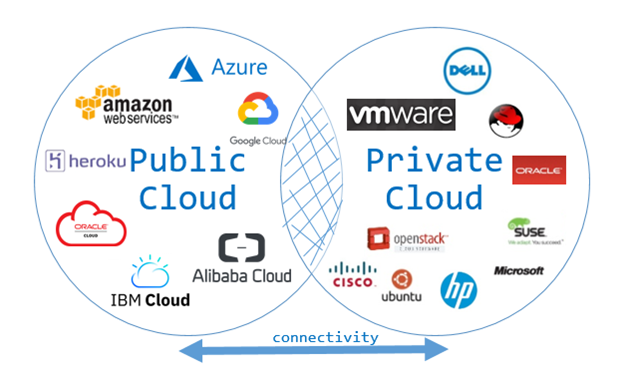
- Public Cloud
- Private Cloud
- Hybrid Cloud
- Related Technologies
- Virtualization
- Containerization
- Microservices Architecture
2. Technological Necessity
- Cost Efficiency
- Reduction in initial investment costs
- Usage-based billing model
- Scalability
- Automatic scaling based on demand
- Utilization of global infrastructure
- Flexibility
- Wide range of service options
- Rapid resource provisioning
- Accelerated Innovation
- Improved access to cutting-edge technologies
- Rapid service deployment
3. Application Areas
- Enterprise IT: Hosting enterprise applications, data analytics
- Startups: Rapid service launch, scalable infrastructure
- IoT: Large-scale data processing, device management
- AI/ML: Provision of large-scale computing resources, model training and inference
- Media Streaming: Content Delivery Networks, real-time streaming
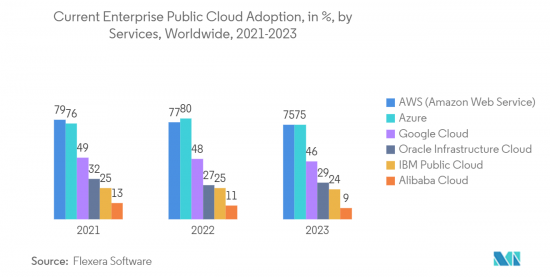
4. Public Cloud Market Share
5. Key Technology Trends
- Edge Computing: Decentralization of data processing
- Serverless Computing: Abstraction of infrastructure management
- Multi-cloud: Integrated use of multiple cloud services
- AI/ML Integration: Provision of cloud-based AI services
6. Challenges
- Security and Compliance: Data security, privacy protection
- Vendor Lock-in: Dependency on specific cloud providers
- Complexity Management: Efficient operation of distributed systems
- Cost Optimization: Efficient use of cloud resources
7. Learning Resources
- Technical Documentation
- Official documentation from AWS, Azure, GCP
- NIST Cloud Computing Standards
- Conferences and Workshops
- AWS re:Invent
- Google Cloud Next
- Open Source Projects
- Kubernetes
- OpenStack
8. Future Outlook
- Development of edge-cloud integrated architectures
- Convergence of quantum computing and cloud
- Advancements in sustainable green cloud technologies
"Cloud computing has become the foundation of modern IT infrastructure. It is a key technology that accelerates digital transformation in businesses and enables new business models. A deep understanding of cloud computing is essential for predicting and leading the future direction of the IT industry."